

Make America Accountable: Linking Lawmaker Pay to State Prosperity
A Fair Pay Plan for Congress
Earn What We Earn
Making America great again doesn’t require following a party slogan — it requires fairness, transparency, and accountability.

Accountability Matters
Making America Great Through Accountability
For decades, we’ve watched politicians argue endlessly over who’s to blame for economic hardship, spinning the same tired narratives while the people they represent work longer hours for less. Meanwhile, their own paychecks remain untouched — comfortably padded, fully protected, and completely disconnected from the struggles of everyday Americans.
A member of Congress earns about $174,000 per year, plus benefits most Americans could only dream of. That income doesn’t fluctuate when inflation spikes, when small businesses close, or when jobs disappear in the districts they claim to fight for. Their pay isn’t linked to progress — it’s guaranteed by the very system they built.
That’s not leadership — that’s insulation from the real world. It’s a political bubble where the pain of the people rarely penetrates. It’s easy to debate policy from behind the walls of privilege when your livelihood never depends on the outcomes of those decisions.
Real leadership means sharing in both the success and the struggle. It means living with the consequences of your choices the same way the people you serve do. If the economy falters, a true public servant should feel it, too. That’s how accountability works in every other profession — performance and results determine pay.
It’s time to expect the same from Congress. Because when lawmakers’ prosperity depends on ours, their priorities will finally begin to match the people’s.
A Simple Solution
Tie Pay to Performance
If we want our leaders to care about the people they represent, we have to make their success depend on ours. The simplest, fairest way to do that is by tying their pay to the same financial realities their citizens face.
Imagine this: every member of Congress earning a salary directly linked to the median income of their state. If the average family in their district gets a raise, so do they. If their community struggles, their paycheck reflects it. Suddenly, those endless debates about “helping working families” would have personal stakes. Every policy, every vote, every budget decision would matter in a way it never has before.
Under this plan, a representative’s salary would automatically rise or fall with the fortunes of their state’s people. No more self-approved raises. No more guaranteed six-figure comfort while constituents fight to make rent.
When lawmakers’ paychecks are tied to real performance metrics — not politics — they’d have a genuine incentive to focus on local job creation, fair wages, education, and infrastructure. Economic growth wouldn’t just look good on a campaign flyer; it would directly impact their own livelihoods.
This isn’t punishment. It’s alignment. It’s about creating a government that thrives when its people thrive. A government where prosperity is shared, and failure carries a cost — just as it does for everyone else.
America doesn’t need more slogans, it needs systems that reward results. Tying lawmaker pay to the economic health of their states would be a bold first step toward rebuilding trust, restoring fairness, and making America accountable again.
Understanding the Pay Reform
This innovative approach aligns congressional salaries with the economic realities of their constituents.
Step 1: Data Collection
Gathering Economic Data
Each January, the U.S. Census Bureau releases updated median household income figures for every state.
Step 2: Salary Calculation
Applying the Formula
Congressional salaries are calculated by multiplying the state’s median income by a factor to be determined, ensuring fair compensation.
Step 3: Implementation
Automatic Adjustments
Salaries are adjusted automatically, reflecting any changes in the state’s economic performance.
Creating Real Incentives
How it would work
The beauty of this idea lies in its simplicity. We already track the data needed to make it happen. Every year, the U.S. Census Bureau publishes the median household income for each state — hard numbers that can’t be spun or distorted by political talking points. Those figures could automatically set each lawmaker’s pay for the next year. No committees, no votes, no backroom deals — just a direct reflection of the prosperity of the people they represent.
Under this system, a senator from a struggling state wouldn’t earn more than the families fighting to get by there. If their state’s median income rises, they get a raise. If it falls, so does theirs. It’s not punishment — it’s performance-based pay, the same standard millions of Americans live by every day.
To make it fair and functional, a reasonable formula keeps salaries livable but accountable. For example:
Congressional Salary = 1.2 × State Median Household Income
That means if a state’s median income is $60,000, its representatives would earn $72,000. In a higher-income state with a $90,000 median, the salary would be $108,000. Everyone still makes a respectable wage, but no one coasts on automatic privilege.
Tying pay to real data would also make congressional raises transparent. Instead of being buried in thousand-page spending bills, the “raise” would be public knowledge — right there in the Census numbers. And instead of voting themselves higher pay, lawmakers would have to earn it by growing their state’s economy, improving access to education, supporting small business, and strengthening the middle class.
The result? Incentives that finally match the mission. Congress would have a personal stake in every job created, every family supported, and every community lifted. Economic policy would no longer be an abstract debate — it would be a paycheck reality.
That’s how accountability begins: with systems that reward results, not rhetoric.
understanding the impact
Why This Matters
At its core, this proposal isn’t about punishing politicians — it’s about restoring balance and trust between the people and those elected to serve them. For too long, our representatives have operated in a system where success or failure makes little difference to their personal well-being. Their paychecks stay the same whether the economy grows or collapses, whether their districts flourish or fade. That separation has bred a political class detached from the daily realities of American life.
When leaders are insulated from struggle, they lose touch with what truly matters. It’s easy to pass policies that look good on paper when you never feel their real-world consequences. But when lawmakers’ own livelihoods depend on the prosperity of their people, every decision becomes personal — and every vote carries weight.
Linking pay to state performance creates a shared destiny between citizens and representatives. It means that when families in Michigan, Texas, or Virginia earn more, their leaders do too. It rewards cooperation, local investment, and pragmatic solutions that help lift entire communities.
More importantly, it rebuilds faith in a system that feels increasingly out of reach. Americans are frustrated not because we’ve stopped caring, but because we’ve stopped believing Washington is listening. A policy like this changes that conversation. It says, “We rise together — or not at all.”
That’s the essence of public service: to share in both the struggle and the success of the people you represent. Accountability isn’t partisan — it’s patriotic. And if we truly want a government that works for everyone, we have to start by aligning its incentives with ours.
Overcoming Legislative Hurdles
The Challenge of Change
Transforming the way Congress is paid isn’t a quick or easy fix. It would require real legislative courage — and possibly even a constitutional amendment — to make this kind of reform a reality. That alone tells us something about how deeply our systems resist accountability. The machinery of government moves slowly, and those benefiting most from the current structure have little incentive to change it.
But that’s exactly why this conversation matters. Every meaningful reform in American history — from civil rights to campaign finance to women’s suffrage — began with citizens refusing to accept “that’s just how it is.” The first step is always the same: ordinary people deciding that fairness is worth fighting for.
Change doesn’t start in the halls of Congress; it starts in living rooms, coffee shops, community centers, and online spaces like this one. It begins with informed citizens asking better questions and demanding better answers. When enough of us speak with a united voice, even the most entrenched systems must listen.
Grassroots movements have always been the heartbeat of American progress. They remind leaders that their authority flows from the consent of the governed — not the other way around. When citizens come together around an idea rooted in fairness, transparency, and shared prosperity, it becomes more than a proposal — it becomes a movement.
The path forward will be slow, and it will face resistance from those who benefit from the status quo. But reform has never been easy, and that’s what makes it worth pursuing. If we want a government that truly reflects the people, we have to demand it, build it, and refuse to stop until accountability becomes law, not just an aspiration.
Essential Reads on Money and Power

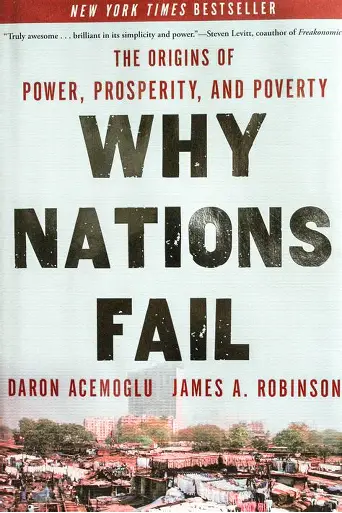


Dive into the complex world of economics and governance with these insightful books. Each offers a unique perspective on how financial systems and political structures shape our world. From Robert B. Reich’s analysis of systemic inequalities to Daron Acemoglu and James A. Robinson’s exploration of national prosperity, these reads are both enlightening and thought-provoking.
Whether you’re interested in policy reform or simply want to understand the forces at play in today’s society, these books are a must-read for anyone looking to grasp the intricate dance between money, power, and policy.
By using the links here and purchasing, we earn a small percentage of the sales price. It DOES NOT impact the price of the book in any way.
The Benefits Are Clear
When government accountability is more than a slogan, the ripple effects reach every part of society. Linking congressional pay to the financial health of each state does more than change a salary — it changes priorities. It shifts focus from political theater to tangible progress, from empty promises to measurable results.
1. Restored Trust
For decades, Americans have lost faith in a system that seems to reward dysfunction. This reform sends a powerful message: Congress will only succeed when the people do. It reconnects lawmakers to the everyday realities of their constituents, proving that leadership means sharing in both the struggle and the success.
2. Smarter Policy Decisions
When a representative’s paycheck depends on their state’s economic growth, every vote gains real-world weight. Investments in small businesses, infrastructure, job training, and fair wages suddenly become personal. Political gridlock gives way to cooperation because progress is no longer optional — it’s profitable.
3. Fiscal Responsibility
Performance-based pay would naturally discourage wasteful spending and political grandstanding. Lawmakers would be more inclined to focus on policies that promote long-term growth rather than short-term headlines. Every dollar invested in the economy becomes a dollar tied to their own accountability.
4. A More United America
This approach transcends partisanship. It doesn’t matter if you’re from a red state, blue state, or purple one — everyone benefits when representatives are incentivized to improve the financial well-being of their communities. It’s an idea rooted not in ideology, but in fairness.
By aligning the incentives of Congress with the prosperity of the people, we plant the seeds of a more honest, transparent, and responsive democracy. The change might begin with paychecks, but the impact could reach the very heart of how government serves its citizens.
What happens now?
A Call to Action
No reform happens overnight. Change begins with a spark — a simple idea that challenges the status quo and demands a better way forward. Tying congressional pay to state prosperity isn’t just a policy concept; it’s a reminder that America works best when our leaders share in our fate.
If this vision resonates with you, don’t let it end here. Talk about it. Share it. Debate it at your dinner table, in your community groups, and online. The power to make America accountable doesn’t rest in Washington — it rests in us.
Each conversation plants the seed of reform. Each shared post adds another voice to a growing movement of citizens who believe fairness, integrity, and accountability should be the foundation of public service.
This is just one idea in a series of proposals aimed at rebuilding trust in our institutions, strengthening local economies, and restoring the principle that government should serve the people — not itself.
The path forward starts with awareness, grows through participation, and succeeds with unity. Together, we can turn frustration into action and ideals into reality.
Because making America great again isn’t about politics — it’s about accountability. And accountability begins with us.
Share Your Thoughts on Congressional Pay Reform
We believe that aligning lawmakers’ salaries with the economic well-being of their constituents can drive real change. Do you agree? Share your insights and help us shape a fairer future for all. Please add your comments below and join the conversation.