by admin | Oct 30, 2025 | Government Reform
Making America great again doesn’t require following a party slogan — it requires fairness, transparency, and accountability.
For decades, we’ve watched politicians argue endlessly over who’s to blame for economic hardship, spinning the same tired narratives while the people they represent work longer hours for less. Meanwhile, their own paychecks remain untouched — comfortably padded, fully protected, and completely disconnected from the struggles of everyday Americans.
A member of Congress earns about $174,000 per year, plus benefits most Americans could only dream of. That income doesn’t fluctuate when inflation spikes, when small businesses close, or when jobs disappear in the districts they claim to fight for. Their pay isn’t linked to progress — it’s guaranteed by the very system they built.
That’s not leadership — that’s insulation from the real world. It’s a political bubble where the pain of the people rarely penetrates. It’s easy to debate policy from behind the walls of privilege when your livelihood never depends on the outcomes of those decisions.
Real leadership means sharing in both the success and the struggle. It means living with the consequences of your choices the same way the people you serve do. If the economy falters, a true public servant should feel it, too. That’s how accountability works in every other profession — performance and results determine pay.
It’s time to expect the same from Congress. Because when lawmakers’ prosperity depends on ours, their priorities will finally begin to match the people’s.
If we want our leaders to care about the people they represent, we have to make their success depend on ours. The simplest, fairest way to do that is by tying their pay to the same financial realities their citizens face.
Imagine this: every member of Congress earning a salary directly linked to the median income of their state. If the average family in their district gets a raise, so do they. If their community struggles, their paycheck reflects it. Suddenly, those endless debates about “helping working families” would have personal stakes. Every policy, every vote, every budget decision would matter in a way it never has before.
Under this plan, a representative’s salary would automatically rise or fall with the fortunes of their state’s people. No more self-approved raises. No more guaranteed six-figure comfort while constituents fight to make rent.
When lawmakers’ paychecks are tied to real performance metrics — not politics — they’d have a genuine incentive to focus on local job creation, fair wages, education, and infrastructure. Economic growth wouldn’t just look good on a campaign flyer; it would directly impact their own livelihoods.
This isn’t punishment. It’s alignment. It’s about creating a government that thrives when its people thrive. A government where prosperity is shared, and failure carries a cost — just as it does for everyone else.
America doesn’t need more slogans, it needs systems that reward results. Tying lawmaker pay to the economic health of their states would be a bold first step toward rebuilding trust, restoring fairness, and making America accountable again.
This innovative approach aligns congressional salaries with the economic realities of their constituents.
Each January, the U.S. Census Bureau releases updated median household income figures for every state.
Step 2: Salary Calculation
Congressional salaries are calculated by multiplying the state’s median income by a factor to be determined, ensuring fair compensation.
Salaries are adjusted automatically, reflecting any changes in the state’s economic performance.
The beauty of this idea lies in its simplicity. We already track the data needed to make it happen. Every year, the U.S. Census Bureau publishes the median household income for each state — hard numbers that can’t be spun or distorted by political talking points. Those figures could automatically set each lawmaker’s pay for the next year. No committees, no votes, no backroom deals — just a direct reflection of the prosperity of the people they represent.
Under this system, a senator from a struggling state wouldn’t earn more than the families fighting to get by there. If their state’s median income rises, they get a raise. If it falls, so does theirs. It’s not punishment — it’s performance-based pay, the same standard millions of Americans live by every day.
To make it fair and functional, a reasonable formula keeps salaries livable but accountable. For example:
Congressional Salary = 1.2 × State Median Household Income
That means if a state’s median income is $60,000, its representatives would earn $72,000. In a higher-income state with a $90,000 median, the salary would be $108,000. Everyone still makes a respectable wage, but no one coasts on automatic privilege.
Tying pay to real data would also make congressional raises transparent. Instead of being buried in thousand-page spending bills, the “raise” would be public knowledge — right there in the Census numbers. And instead of voting themselves higher pay, lawmakers would have to earn it by growing their state’s economy, improving access to education, supporting small business, and strengthening the middle class.
The result? Incentives that finally match the mission. Congress would have a personal stake in every job created, every family supported, and every community lifted. Economic policy would no longer be an abstract debate — it would be a paycheck reality.
That’s how accountability begins: with systems that reward results, not rhetoric.
At its core, this proposal isn’t about punishing politicians — it’s about restoring balance and trust between the people and those elected to serve them. For too long, our representatives have operated in a system where success or failure makes little difference to their personal well-being. Their paychecks stay the same whether the economy grows or collapses, whether their districts flourish or fade. That separation has bred a political class detached from the daily realities of American life.
When leaders are insulated from struggle, they lose touch with what truly matters. It’s easy to pass policies that look good on paper when you never feel their real-world consequences. But when lawmakers’ own livelihoods depend on the prosperity of their people, every decision becomes personal — and every vote carries weight.
Linking pay to state performance creates a shared destiny between citizens and representatives. It means that when families in Michigan, Texas, or Virginia earn more, their leaders do too. It rewards cooperation, local investment, and pragmatic solutions that help lift entire communities.
More importantly, it rebuilds faith in a system that feels increasingly out of reach. Americans are frustrated not because we’ve stopped caring, but because we’ve stopped believing Washington is listening. A policy like this changes that conversation. It says, “We rise together — or not at all.”
That’s the essence of public service: to share in both the struggle and the success of the people you represent. Accountability isn’t partisan — it’s patriotic. And if we truly want a government that works for everyone, we have to start by aligning its incentives with ours.
Transforming the way Congress is paid isn’t a quick or easy fix. It would require real legislative courage — and possibly even a constitutional amendment — to make this kind of reform a reality. That alone tells us something about how deeply our systems resist accountability. The machinery of government moves slowly, and those benefiting most from the current structure have little incentive to change it.
But that’s exactly why this conversation matters. Every meaningful reform in American history — from civil rights to campaign finance to women’s suffrage — began with citizens refusing to accept “that’s just how it is.” The first step is always the same: ordinary people deciding that fairness is worth fighting for.
Change doesn’t start in the halls of Congress; it starts in living rooms, coffee shops, community centers, and online spaces like this one. It begins with informed citizens asking better questions and demanding better answers. When enough of us speak with a united voice, even the most entrenched systems must listen.
Grassroots movements have always been the heartbeat of American progress. They remind leaders that their authority flows from the consent of the governed — not the other way around. When citizens come together around an idea rooted in fairness, transparency, and shared prosperity, it becomes more than a proposal — it becomes a movement.
The path forward will be slow, and it will face resistance from those who benefit from the status quo. But reform has never been easy, and that’s what makes it worth pursuing. If we want a government that truly reflects the people, we have to demand it, build it, and refuse to stop until accountability becomes law, not just an aspiration.
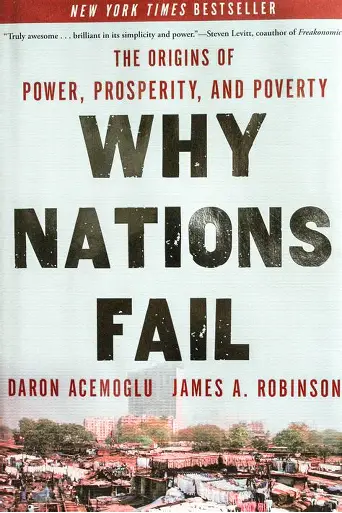
Dive into the complex world of economics and governance with these insightful books. Each offers a unique perspective on how financial systems and political structures shape our world. From Robert B. Reich’s analysis of systemic inequalities to Daron Acemoglu and James A. Robinson’s exploration of national prosperity, these reads are both enlightening and thought-provoking.
Whether you’re interested in policy reform or simply want to understand the forces at play in today’s society, these books are a must-read for anyone looking to grasp the intricate dance between money, power, and policy.
By using the links here and purchasing, we earn a small percentage of the sales price. It DOES NOT impact the price of the book in any way.
When government accountability is more than a slogan, the ripple effects reach every part of society. Linking congressional pay to the financial health of each state does more than change a salary — it changes priorities. It shifts focus from political theater to tangible progress, from empty promises to measurable results.
1. Restored Trust
For decades, Americans have lost faith in a system that seems to reward dysfunction. This reform sends a powerful message: Congress will only succeed when the people do. It reconnects lawmakers to the everyday realities of their constituents, proving that leadership means sharing in both the struggle and the success.
2. Smarter Policy Decisions
When a representative’s paycheck depends on their state’s economic growth, every vote gains real-world weight. Investments in small businesses, infrastructure, job training, and fair wages suddenly become personal. Political gridlock gives way to cooperation because progress is no longer optional — it’s profitable.
3. Fiscal Responsibility
Performance-based pay would naturally discourage wasteful spending and political grandstanding. Lawmakers would be more inclined to focus on policies that promote long-term growth rather than short-term headlines. Every dollar invested in the economy becomes a dollar tied to their own accountability.
4. A More United America
This approach transcends partisanship. It doesn’t matter if you’re from a red state, blue state, or purple one — everyone benefits when representatives are incentivized to improve the financial well-being of their communities. It’s an idea rooted not in ideology, but in fairness.
By aligning the incentives of Congress with the prosperity of the people, we plant the seeds of a more honest, transparent, and responsive democracy. The change might begin with paychecks, but the impact could reach the very heart of how government serves its citizens.
No reform happens overnight. Change begins with a spark — a simple idea that challenges the status quo and demands a better way forward. Tying congressional pay to state prosperity isn’t just a policy concept; it’s a reminder that America works best when our leaders share in our fate.
If this vision resonates with you, don’t let it end here. Talk about it. Share it. Debate it at your dinner table, in your community groups, and online. The power to make America accountable doesn’t rest in Washington — it rests in us.
Each conversation plants the seed of reform. Each shared post adds another voice to a growing movement of citizens who believe fairness, integrity, and accountability should be the foundation of public service.
This is just one idea in a series of proposals aimed at rebuilding trust in our institutions, strengthening local economies, and restoring the principle that government should serve the people — not itself.
The path forward starts with awareness, grows through participation, and succeeds with unity. Together, we can turn frustration into action and ideals into reality.
Because making America great again isn’t about politics — it’s about accountability. And accountability begins with us.
We believe that aligning lawmakers’ salaries with the economic well-being of their constituents can drive real change. Do you agree? Share your insights and help us shape a fairer future for all. Please add your comments below and join the conversation.

by admin | Nov 8, 2024 | Political Analysis
In the 2024 political climate, the Green Party and the Libertarian Party continue to challenge the traditional two-party system. Though both emphasize liberty and individual rights, their approaches and policy priorities present markedly different visions for the country. Here’s a detailed comparison of their stances on democracy, economic policy, the environment, social issues, and government roles.
Core Philosophies: Liberty and Governance
Green Party emphasizes grassroots democracy and social justice, viewing government as a tool to achieve ecological sustainability and social equity. The party is deeply critical of corporate influence, advocating for a government that actively ensures equality, environmental protection, and public well-being.
Libertarian Party the Libertarian Party’s philosophy is rooted in personal liberty and limited government. Libertarians view the government as a potential threat to individual rights, advocating for minimal intervention in personal and economic matters. They prioritize individual autonomy, property rights, and free-market principles, pushing back against any government efforts they see as infringing upon personal freedoms.
Economic Policy: Intervention vs. Autonomy
Green Party supports a mixed economy where government intervention is used to protect labor rights, ensure equitable wealth distribution, and promote environmental sustainability. Their economic platform includes progressive taxation, robust social welfare programs, and government-led initiatives to reduce wealth inequality. Key policies include expanding public services, instituting a universal basic income, and implementing green job programs.
Libertarian Party champions a purely free-market economy with minimal government interference. They oppose taxes and regulations they believe hinder individual financial freedom. Libertarians advocate for the abolition of the income tax, support decentralized economic transactions, and seek to dismantle welfare programs, arguing that charity and voluntary efforts should replace government assistance. They believe that individual enterprise and the free market drive prosperity without government intervention.
Environmental Policy: Active Conservation vs. Market Solutions
Green Party Environmental sustainability is central to the Green Party’s platform. They call for immediate and bold action on climate change through government-led initiatives, such as transitioning to 100% renewable energy, reducing waste, and protecting biodiversity. The party also emphasizes the Green New Deal, aiming to transform the economy to be ecologically sustainable. This policy set includes strict regulations on industries, heavy investments in green technology, and prioritizing climate justice for marginalized communities.
Libertarian Party approaches environmental issues through private property rights and market incentives, believing that free markets encourage responsible stewardship. Libertarians argue that private landowners have a vested interest in conserving resources and oppose government regulations they see as stifling innovation. Instead, they favor allowing environmental disputes to be resolved through private legal action, with individuals or groups seeking restitution through the courts if property is damaged.
Social Issues: Individual Rights and Freedoms
Green Party emphasizes social justice, advocating for government protections to ensure equality across race, gender, and socioeconomic status. They support universal healthcare, reproductive rights, LGBTQ+ protections, and expanding welfare programs. The Green Party views government intervention as essential to redress social inequalities and protect vulnerable populations, supporting policies that address systemic issues like racial and gender discrimination.
Libertarian Party prioritize absolute personal liberty, advocating for minimal government intervention in private lives. They support the decriminalization of drugs, the right to self-defense, and unrestricted freedom of expression. Libertarians believe individuals should have the freedom to make personal choices without government influence, including decisions around healthcare, marriage, and education. They oppose social programs, instead advocating for voluntary, community-based support networks.
Government Role: Active vs. Limited
Green Party envisions a more active government role in addressing social, economic, and environmental issues. They advocate for structural reforms to reduce corporate influence, increase democratic representation, and expand public services. This includes campaign finance reform, supporting proportional representation in elections, and championing community-based democratic initiatives.
Libertarian Party platform seeks to limit government to its most basic functions—defending against aggression, protecting property rights, and upholding contracts. They advocate for a dramatic reduction in government size, including the abolition of federal agencies and programs that they view as infringing on individual freedoms. Libertarians also oppose the Federal Reserve and support the privatization of many government functions, arguing that individuals and private entities should be free to operate independently of government.
National Defense and Foreign Policy: Isolationism vs. Global Cooperation
Green Party promotes a cooperative international stance focused on global peace and disarmament. They advocate for reducing the military budget, closing overseas bases, and prioritizing diplomatic solutions over military interventions. Their foreign policy emphasizes working within international organizations like the United Nations and promoting human rights and ecological sustainability on a global scale.
Libertarian Party support a non-interventionist foreign policy, believing that the U.S. should avoid entangling alliances and cease acting as the world’s police. They advocate for a strong but limited defense focused solely on protecting U.S. borders. The party opposes foreign aid and alliances that they view as burdensome, preferring to let individuals and private organizations engage in foreign relations independently of government.
Healthcare: Universal Access vs. Free Market
Green Party advocates for a government-funded, universal healthcare system. They see healthcare as a human right and support policies like Medicare for All, which would provide comprehensive health services to all citizens. The party argues that government intervention is necessary to ensure equitable access to healthcare, particularly for marginalized communities.
Libertarian Party believe healthcare should operate within a free-market system, where individuals choose providers and insurance plans without government mandates or restrictions. They oppose programs like Medicare for All, instead supporting the idea that competition in an open market will drive down costs and improve quality. Libertarians argue that individuals should have the freedom to make healthcare choices without state interference.
Final Thoughts: Diverging Visions for America’s Future
The Green Party and Libertarian Party offer distinctly different visions for America’s future. The Green Party emphasizes an active government role in achieving social, economic, and environmental justice, viewing systemic change as essential for a sustainable and equitable society. The Libertarian Party, in contrast, values individual freedom and limited government, arguing that liberty and free markets best address societal needs.
Both parties stand as alternatives to the traditional political spectrum, challenging voters to consider how freedom, responsibility, and equity shape the policies that will guide the nation’s future.
Resources
Libertarian Party Platform 2024
Green Party Platform 2024

by admin | Nov 7, 2024 | Political Analysis
The 2024 election reshaped America’s political direction once again — not just in terms of party control, but in the national conversation about what kind of leadership, economy, and social priorities the country wants. As the Republican Party takes the helm, we step back to look at both platforms, what each envisioned for America’s future, and what this new administration’s approach could mean for the years ahead.
Economic Policy
Under Republican Leadership
With their recent win, the Republicans are set to enact a strong “America First” economic agenda. Their focus will be on lowering inflation, enhancing domestic manufacturing, and maintaining a self-reliant economy. Republicans plan to achieve these goals by reducing taxes for workers, promoting energy independence through fossil fuel production, and reducing federal regulations that they argue hinder economic growth. The Republican platform calls for immediate measures to stimulate job growth, bring back American manufacturing, and make the U.S. an energy powerhouse by leveraging domestic resources.
Democratic Priorities and Counterpoints
The Democratic platform, on the other hand, focused on economic growth through investments in infrastructure, renewable energy, and job training, with an emphasis on fair wages and clean energy. Democrats argued that investing in sustainable industries and reducing reliance on fossil fuels would foster long-term economic resilience and address environmental concerns. While this platform did not gain majority support in the election, Democrats are expected to continue advocating for these policies in Congress.
Immigration
Republican Approach
Immigration reform will likely be a top priority for the Republican administration. Republicans have committed to stringent border security, including completing a southern border wall, increasing resources for immigration enforcement, and implementing a merit-based immigration system. They emphasize protecting American jobs and reducing the financial strain of undocumented immigration. Additionally, Republicans plan to ramp up deportation efforts, especially for individuals with criminal records.
Democratic Approach
In contrast, the Democratic platform called for a balanced approach to immigration, advocating for border security alongside a pathway to citizenship for undocumented individuals, particularly for those brought to the U.S. as children. Democrats aimed to expand legal immigration avenues and promote family reunification. With Republicans now in office, Democrats are expected to challenge strict immigration policies, advocating instead for a more inclusive approach to immigration reform.
Healthcare
Republican Approach
With Republicans at the helm, healthcare policy will likely see a shift toward deregulation and competition-driven reforms. Republicans argue that reducing healthcare costs through transparency, private sector involvement, and individual choice is key. Their platform includes a goal to repeal or modify the Affordable Care Act (ACA), which they see as burdensome and costly. Expect the new administration to promote policies that prioritize private healthcare options and reduce federal involvement.
Democratic Approach
Democrats’ platform focused on expanding access to healthcare, supporting the ACA, and reducing prescription drug costs. Their vision of healthcare as a fundamental right contrasts with the Republican focus on privatization and competition. Although the Republican administration now has greater control over healthcare policy, Democrats will likely work to protect the ACA’s benefits and push for measures to keep healthcare affordable, especially for lower-income Americans.
Social Issues and Freedoms
Republican Approach
The Republican platform places significant emphasis on traditional freedoms, including free speech, religious liberty, and Second Amendment rights. The party aims to limit federal funding for educational programs promoting ideas they see as divisive or inconsistent with traditional American values. Republicans are expected to introduce policies that curb what they perceive as government overreach in areas like gender identity discussions in schools and certain social justice initiatives, emphasizing individual freedoms and family-centered policies.
Democratic Approach
The Democratic platform advocated for expanded personal freedoms, including reproductive rights, LGBTQ+ protections, and voting rights. Democrats argued that inclusivity and equality should be foundational in policy-making. As Republicans begin implementing their policies, Democrats are expected to push back on restrictions that limit reproductive rights and other personal freedoms, emphasizing the need for inclusive policies that protect all citizens.
Climate and Energy
Republican Approach
Republicans’ emphasis on energy independence will lead to increased domestic fossil fuel production, including oil, coal, and natural gas. They argue that a strong domestic energy sector is essential for economic stability, inflation control, and national security. Expect to see policies aimed at rolling back green energy regulations to make way for traditional energy industries, which Republicans argue will provide immediate economic benefits and job creation.
Democratic Approach
Democrats took a more aggressive stance on climate action, supporting renewable energy sources and aiming to address environmental injustices. Their platform included large-scale investments in clean energy and emissions reduction, positioning the U.S. as a global leader in climate change mitigation. With Republicans now in control, Democrats will likely continue to advocate for climate legislation in Congress, arguing for long-term sustainability and reduced reliance on fossil fuels.
Foreign Policy and Military
Republican Approach
The Republican foreign policy approach emphasizes “peace through strength” and prioritizes a strong military, limited foreign intervention, and national sovereignty. Republicans are expected to focus on strengthening the military and using it sparingly, primarily when national interests are directly threatened. Their platform reflects a commitment to strong borders and military readiness to address global threats without excessive foreign entanglements.
Democratic Approach
Democrats, in contrast, focused on strengthening American alliances and prioritizing diplomacy to address global challenges. Their platform highlighted the importance of international cooperation, environmental responsibility, and the promotion of human rights. While Republicans control the executive branch, Democrats will likely advocate for diplomacy and alliances as essential tools for maintaining American influence on the global stage.
Taxes
Republican Approach
Republicans’ tax policy centers on reducing the tax burden for workers and businesses, which they argue will stimulate economic growth and job creation. They are expected to continue advocating for extensions of tax cuts established in previous administrations, promoting an environment they believe will benefit both businesses and individuals by reducing federal interference.
Democratic Approach
The Democratic platform called for a progressive tax system, with tax increases on corporations and high-income earners. Democrats argue that the additional revenue from these tax changes would help fund essential services, including healthcare, infrastructure, and education. While Republicans now control tax policy, Democrats are likely to continue pushing for tax fairness measures, arguing that wealthier individuals and corporations should contribute more to support broader economic and social goals.
What Lies Ahead: The New Republican Agenda
With Republicans taking office, we can expect to see swift action on key elements of their platform. From bolstering border security and reducing regulations to promoting energy independence and a stronger military, the new administration will likely focus on policies that reflect a return to traditional American values and an emphasis on self-reliance. Economic reforms aimed at reducing inflation and expanding manufacturing are likely to be implemented early in their term, with a strong focus on keeping American interests and security at the forefront.
At the same time, the Democratic Party, while out of executive power, will work to uphold their values through legislative means and advocacy. Their commitment to social inclusivity, climate action, healthcare expansion, and progressive taxation will likely fuel robust debates in Congress and across the nation. As the new Republican-led administration begins to make changes, Democrats and other advocates will continue to champion policies that reflect a vision of inclusivity, environmental responsibility, and social justice.
This new chapter in American leadership reflects a choice made by voters to prioritize security, economic strength, and traditional values. As policies unfold, the nation will witness how these ideals translate into practical outcomes that affect everyday lives and the broader landscape of America’s role in the world. This election outcome signals a return to a conservative approach, and its effects will be a pivotal part of America’s journey in the coming years.
Whether one sees this shift as a correction or a crossroads, one thing is clear: America’s next chapter will test how effectively its leaders can balance prosperity, freedom, and unity in a time of deep division. The outcome won’t be written by any one party — but by how well citizens hold all of them accountable.
References
Democratic Party Platform 2024
Republican Party Platform 2024
by admin | Nov 6, 2024 | Green, Parties
The Green Party is a progressive political party in the United States that emphasizes environmental protection, social justice, grassroots democracy, and non-violence. Known for its commitment to sustainability and inclusivity, the Green Party seeks to provide an alternative to the dominant two-party system, offering policies rooted in ecological responsibility and social equality. The party’s history reflects its growth from a grassroots movement to a national political force that has impacted American political discourse.
Origins and Founding (1984): Roots in Environmental Activism
The Green Party’s origins can be traced to the broader global Green movement of the 1970s and 1980s, which gained momentum in countries like Germany, Canada, and New Zealand. Inspired by these international movements, environmental activists, social reformers, and anti-war advocates in the United States began organizing around shared values.
The Green Party was formally established in 1984 with the creation of the “Green Committees of Correspondence,” a group dedicated to exploring the feasibility of a national Green Party in the U.S. These committees unified activists across the country who shared an interest in environmental sustainability, social equity, and political reform. The Green Committees advocated for decentralized, grassroots political organization rather than a traditional, hierarchical party structure. This approach laid the groundwork for the development of a party that would prioritize ecological health and direct democracy.
Building a Platform (1984–1996): The Ten Key Values
As the Green Party took shape, members developed a platform that would distinguish it from other political organizations. In 1984, the party adopted the “Ten Key Values” as its guiding principles, which remain central to its mission today. These values are:
- Ecological Wisdom
- Grassroots Democracy
- Social Justice and Equal Opportunity
- Non-Violence
- Decentralization
- Community-Based Economics and Economic Justice
- Feminism and Gender Equity
- Respect for Diversity
- Personal and Global Responsibility
- Future Focus and Sustainability
These values underscore the party’s commitment to a society that respects human rights and the environment. The Ten Key Values have been instrumental in shaping Green Party policies on issues like environmental conservation, climate change, healthcare, and education.
Entering National Politics (1996): Ralph Nader’s Campaign
The Green Party’s first major breakthrough came in the 1996 presidential election when consumer advocate Ralph Nader ran as the party’s candidate. Nader was known for his work in consumer rights and corporate accountability, and his campaign focused on anti-corporate issues, environmental protection, and social justice. Although he did not campaign extensively, Nader’s candidacy brought national attention to the Green Party and helped establish it as a legitimate political force.
Nader received around 685,000 votes, or 0.71% of the popular vote—a modest showing that nevertheless solidified the Green Party’s presence in U.S. politics. His campaign set the stage for future Green Party efforts to expand its influence and membership across the country.
The 2000 Presidential Election: A Turning Point
The 2000 presidential election was a defining moment for the Green Party and for third-party politics in the U.S. Ralph Nader ran again as the Green Party candidate, campaigning on a platform that challenged corporate influence in politics and advocated for universal healthcare, environmental protection, and social justice. Nader’s campaign was significantly larger than in 1996, gaining momentum among voters who felt alienated by the Democratic and Republican parties.
Nader received nearly 2.9 million votes (2.74% of the popular vote), the highest percentage for a Green Party candidate to date. However, the election was highly controversial, as critics argued that Nader’s candidacy siphoned votes from Democratic candidate Al Gore, particularly in critical swing states like Florida. This debate sparked ongoing discussions about the role of third parties in the U.S. electoral system and the potential impact of “spoiler” candidates. Despite the controversy, the 2000 election demonstrated the Green Party’s capacity to influence national politics and raise awareness of progressive issues.
Support Politically Unbound: Keep Independent Political Analysis Thriving!
At Politically Unbound, we’re committed to delivering clear, balanced insights into the political landscape. From in-depth research to unbiased analysis, we’re here to keep you informed on the issues that matter. But we can’t do it alone. Donate today to support independent, transparent political coverage!
Growth and Local Successes (2000s–2010s): Expanding Beyond Presidential Politics
Following the 2000 election, the Green Party shifted its focus to building a grassroots base and achieving local electoral victories. Recognizing the challenges of competing in national elections, the party began encouraging its members to run for local and state offices where they could more effectively implement Green values. This strategy proved successful, with Green Party candidates winning seats on city councils, school boards, and other local bodies across the country.
During this period, the Green Party continued to campaign on issues like environmental protection, healthcare reform, and social justice, with a strong focus on climate change and sustainability. The party became known for its opposition to the War on Terror, the Patriot Act, and corporate influence in politics, emphasizing a non-interventionist foreign policy and a commitment to civil liberties.
The Jill Stein Campaigns (2012 and 2016): Renewed Visibility
In the 2010s, Jill Stein, a physician and environmental health advocate, became a prominent figure within the Green Party. Stein ran for president as the Green Party nominee in both 2012 and 2016. Her campaigns emphasized the need for a “Green New Deal,” a comprehensive program to address climate change and create jobs through sustainable energy and infrastructure projects.
In the 2016 election, Stein gained considerable attention as an alternative to the two major party candidates, Hillary Clinton and Donald Trump. Her platform focused on issues like ending student debt, transitioning to renewable energy, and promoting healthcare as a human right. Although Stein received just over 1% of the popular vote, her campaign highlighted the Green Party’s commitment to addressing climate change and social justice issues on a national level.
Core Principles and Policies
The Green Party maintains a distinct set of principles and policies that differentiate it from the two major parties. Key policy stances include:
- Environmental Protection: The party advocates for strong action on climate change, including transitioning to renewable energy, reducing carbon emissions, and conserving natural resources.
- Healthcare for All: The Green Party supports a single-payer healthcare system that guarantees healthcare as a human right.
- Economic Justice and Workers’ Rights: Greens support a living wage, workers’ rights, and economic policies that reduce income inequality.
- Social Justice and Civil Rights: The party champions racial and gender equality, LGBTQ+ rights, and policies that address systemic discrimination.
- Peace and Non-Violence: Greens oppose U.S. military interventions abroad and advocate for diplomatic solutions to conflicts.
- Political Reform: The Green Party calls for electoral reforms like ranked-choice voting and public financing of campaigns to reduce corporate influence in politics.
Recent Developments and Looking Ahead
The Green Party continues to face challenges as a third party in a political system dominated by Democrats and Republicans. In 2020, Howie Hawkins, a longtime labor activist, ran as the Green Party’s presidential candidate, with a platform similar to Stein’s Green New Deal, focusing on climate action, economic justice, and non-interventionist foreign policy.
As the United States confronts issues like climate change, wealth inequality, and healthcare reform, the Green Party’s commitment to sustainability and social justice resonates with a segment of voters seeking transformative change. Although electoral victories at the national level remain elusive, the Green Party’s influence is felt through its advocacy and the growing visibility of green policies in American politics.
Conclusion
The Green Party has established itself as a voice for ecological and social issues, consistently advocating for policies that challenge the status quo. From its origins in environmental activism to its presence in local governments, the Green Party’s legacy reflects a steadfast dedication to principles of sustainability, equity, and peace. As the party continues to grow, it remains a testament to the power of grassroots movements and the ongoing demand for progressive change.
by admin | Nov 6, 2024 | Libertarian, Parties
The Libertarian Party stands out as one of the largest and most influential third parties in the United States, rooted in the principles of individual liberty, limited government, and free-market economics. Established in response to government overreach and dissatisfaction with the two-party system, the Libertarian Party advocates for policies that emphasize personal freedom and economic independence. Its history spans five decades of consistent support for civil liberties, non-interventionism, and limited government intervention.
Origins and Founding (1971): A Response to Big Government
The Libertarian Party was founded in December 1971 in Colorado Springs, Colorado, by David Nolan and a group of like-minded individuals. Nolan, a political activist, grew increasingly concerned with what he saw as infringements on personal freedoms by both the Republican and Democratic parties. Key issues motivating the party’s formation included the Vietnam War, inflation, and restrictive government regulations—especially the end of the gold standard under President Nixon.
This group of activists felt that neither of the major parties was truly representing principles of limited government and individual liberty. They formally established the Libertarian Party with a platform focused on civil liberties, a free-market economy, non-interventionist foreign policy, and individual freedom.
The Early Years (1972–1980): Building a Foundation
The Libertarian Party quickly attracted individuals disillusioned with both mainstream political options. The party first appeared on the national stage in the 1972 presidential election with John Hospers as its candidate. Hospers, a philosophy professor, advocated for reduced government spending, deregulation, and personal freedom. Though the campaign was small-scale, Hospers managed to receive one electoral vote from a faithless elector in Virginia, marking the first time a third-party candidate won an electoral vote in a presidential election.
In the late 1970s, the party worked to expand its base by focusing on issues such as drug decriminalization, tax cuts, and anti-draft policies. During this period, it solidified its organizational structure, held national conventions, and began running candidates at the local and state levels.
The 1980 Presidential Run: Ed Clark and National Attention
The 1980 presidential election marked a significant milestone for the Libertarian Party. Ed Clark, a business executive, ran as the party’s candidate alongside vice-presidential nominee David Koch, who provided financial support for the campaign. Clark’s platform focused on reducing the federal government’s role in citizens’ lives, advocating for deregulation and lower taxes. He received over 900,000 votes (approximately 1% of the popular vote), making this one of the strongest showings for a third-party candidate at the time.
Clark’s campaign garnered media attention and raised public awareness of libertarian ideals, especially in the wake of a national conversation about the role of government. His success demonstrated that there was substantial public interest in a party focused on limiting government intervention and promoting personal freedoms.
Support Politically Unbound: Keep Independent Political Analysis Thriving!
At Politically Unbound, we’re committed to delivering clear, balanced insights into the political landscape. From in-depth research to unbiased analysis, we’re here to keep you informed on the issues that matter. But we can’t do it alone. Donate today to support independent, transparent political coverage!
Continued Growth and Influence (1980s–1990s): Expanding the Base
The Libertarian Party continued to grow throughout the 1980s and 1990s, focusing on issues like gun rights, property rights, and an end to the War on Drugs. This era saw the party broaden its appeal among voters who valued individual autonomy and economic freedom.
In 1988, former Republican congressman Ron Paul ran for president as the Libertarian nominee, bringing additional credibility and visibility to the party. Paul’s campaign highlighted opposition to foreign intervention, the Federal Reserve, and federal taxation. His run helped attract many supporters, particularly those frustrated with the traditional Republican and Democratic stances on fiscal and social issues.
Throughout the 1990s, the Libertarian Party continued to run candidates in national, state, and local elections, with many party members running on platforms centered on school choice, reduced government spending, and criminal justice reform.
The 2000s: Strengthening the Party and Public Recognition
In the 2000s, the Libertarian Party saw increased recognition as an alternative to the two-party system. The party nominated Harry Browne, an investment analyst and author, in 1996 and 2000. Browne focused on reducing government spending, eliminating the income tax, and advocating for non-interventionist foreign policy. His campaigns emphasized the Libertarian belief that individuals—not the government—should control their lives and finances.
Despite remaining a smaller party, the Libertarians continued to make strides, especially during the financial crisis of 2008, which prompted more Americans to question federal government policies. In 2008, former Republican congressman Bob Barr ran as the Libertarian presidential candidate, appealing to conservatives dissatisfied with mainstream parties’ stances on fiscal issues and civil liberties.
The Modern Libertarian Movement (2010s–Present): Increased Relevance and Electoral Success
The 2010s brought more visibility to the Libertarian Party, partly due to increased public support for socially liberal but fiscally conservative policies. The 2016 election marked a notable moment, with former New Mexico governor Gary Johnson and running mate Bill Weld—both former Republicans—garnering 4.5 million votes, or 3.27% of the national popular vote, the highest for a Libertarian candidate in U.S. history. Johnson’s campaign emphasized limited government, social tolerance, and a balanced budget, appealing to voters dissatisfied with the major-party candidates.
In 2020, Jo Jorgensen became the first female Libertarian presidential candidate, running on a platform focused on ending the War on Drugs, protecting gun rights, and reducing military interventions abroad. Though the campaign faced challenges in gaining widespread media attention, Jorgensen’s run underscored the Libertarian Party’s commitment to its core principles.
Key Principles and Ideals
The Libertarian Party maintains a set of foundational principles that have remained largely consistent over time:
- Individual Liberty: Belief in the right of individuals to make their own choices without government interference, as long as they do not infringe on others’ rights.
- Limited Government: Advocacy for minimal government involvement in both personal lives and economic matters, including reduced taxation and deregulation.
- Non-Interventionism: Support for a foreign policy focused on peaceful diplomacy, reduced military spending, and opposition to foreign intervention.
- Free Markets: Promotion of free-market capitalism, arguing that a voluntary economic system fosters innovation, efficiency, and prosperity.
- Civil Liberties: Protection of constitutional rights, including freedom of speech, gun ownership, and the right to privacy.
Looking Ahead
The Libertarian Party remains a unique presence in American politics, consistently advocating for both economic and personal freedoms. While it has yet to gain significant traction in Congress, the party continues to grow at the grassroots level, and its ideas influence political discourse, especially on issues like criminal justice reform, drug policy, and fiscal responsibility.
As the political landscape shifts, the Libertarian Party may continue to appeal to Americans seeking alternatives to the traditional Democratic and Republican platforms. The party’s commitment to individual freedom and limited government resonates with a diverse group of supporters, from fiscal conservatives to social liberals.
Conclusion
The history of the Libertarian Party is a testament to the enduring appeal of individual liberty and limited government. Since its founding in 1971, the party has offered Americans a vision of government rooted in personal freedom, economic independence, and peaceful non-intervention. As the Libertarian Party looks toward the future, it remains committed to expanding its influence as an advocate for freedom in all aspects of life.